.png)

A Party Wall Award is one of the most important legal documents for homeowners who are planning any kind of structural work near a shared wall or neighbouring property in the United Kingdom. If you are also building a rear extension, converting your loft, removing a chimney breast, or excavating for a basement then complying with the Party Wall etc. Act 1996 can help protect both you and your neighbours from disputes, delays, and costly legal action.
One of the most common questions homeowners ask is whether a signed Award can still be changed later. The reality is that most construction projects often evolve after work begins. You may discover some hidden structural issues or revise architectural plans or face budget changes, or even encounter concerns raised by neighbours during the construction. Such circumstances naturally lead people to question whether amendments to a Party Wall Award are legally possible.
And this guide answers the following questions to address your concerns:
Understanding the correct legal process early can save you a significant amount of time, money, and stress in your project.

Before discussing amendments, it is important to understand what is a party wall Award first and why it exists.
A Party Wall Award is a legally binding document under the Party Wall etc. Act 1996 in England and Wales. It sets out the rights and responsibilities of homeowners planning construction work that may affect a shared wall, boundary, or neighbouring structure.
The party wall Award is usually required for projects such as:
The objective of the party wall Award is to make sure the construction work proceeds fairly while protecting neighbouring properties from damage or unnecessary disruption.
A typical party wall Award will include:
Party Wall Awards are prepared by a certified party wall surveyor after notices have been served and neighbour responses have been received.

Yes, a signed Party Wall Award can sometimes be amended after signing, but only under the correct legal procedures. Changes are most commonly allowed when:
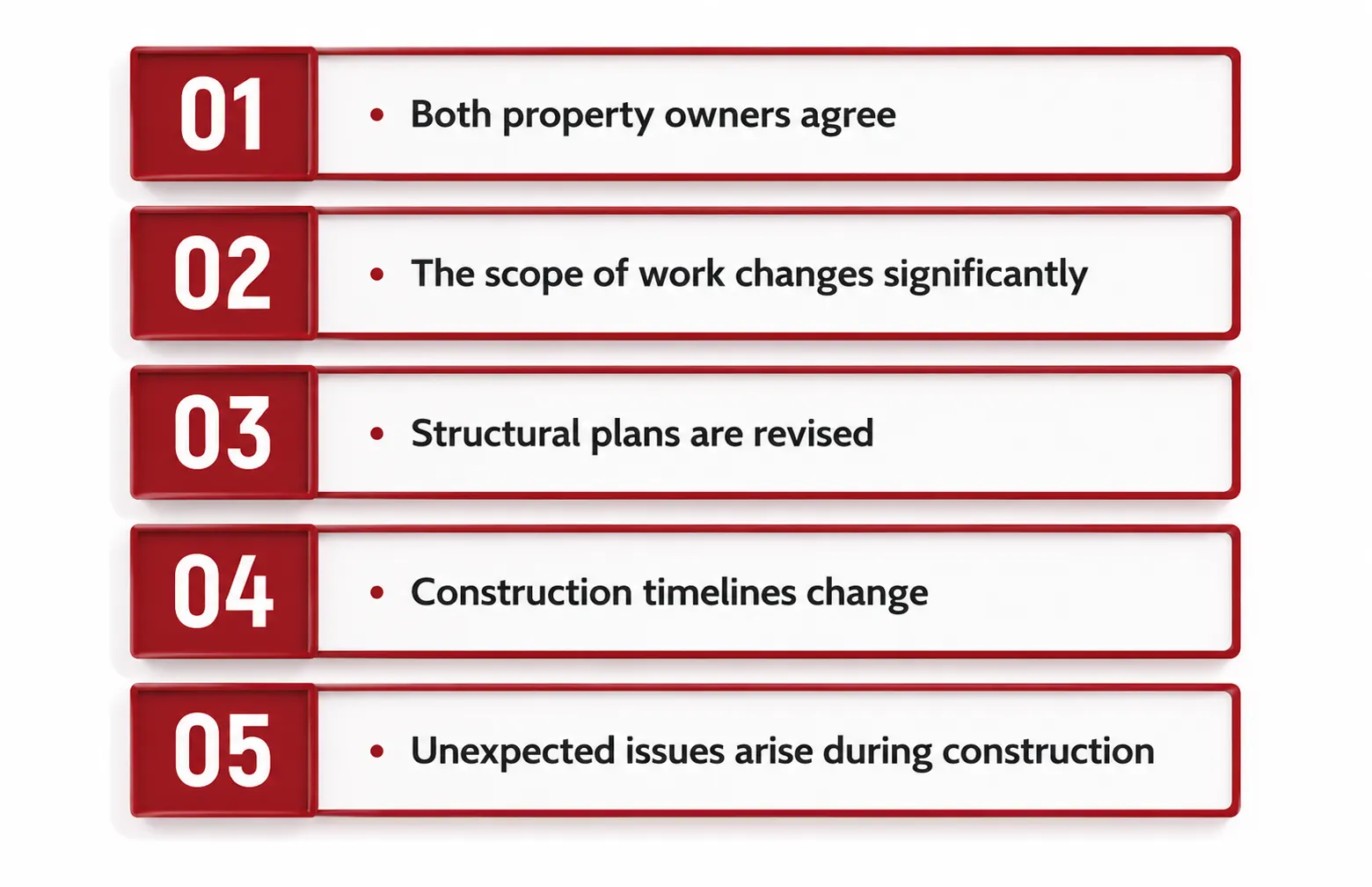
However, these amendments should never be handled informally as verbal Awards alone cannot provide you sufficient legal protection.
Changes to the original designs are among the most common reasons why Awards require revision. The examples include:
These changes may create new risks for neighbouring properties and therefore require updated documentation.
Projects often face delays because of:
If the agreed construction timeline changes substantially then the Award may need updating.
Builders sometimes can also discover hidden structural defects once the construction begins and that includes:
Engineers may then recommend revised structural solutions that differ from the original plans.
Any changes should always be documented formally in writing because simply relying on verbal conversations can create major legal disputes later, especially if any property damage occurs or ownership changes.
Written amendments will protect:
Open communication is the best starting point, therefore if your plans change, always inform your neighbour as early as possible and explain:
Good communication often prevents disputes before they even escalate.
A qualified party wall surveyor should review any proposed changes and the surveyor’s role in this includes:
Professional guidance is important for structural modifications or excavation changes.
Depending on the scale of the changes, the surveyor may prepare:
Both owners should formally agree upon any revisions in writing. Because without written consent, disputes may arise later regarding:
Improper amendments can invalidate the Award entirely and may expose homeowners to:
Professional oversight helps ensure compliance with the Party Wall etc. Act 1996 throughout the construction process.
Many homeowners ask us: can neighbour refuse party wall Award procedures altogether?
Neighbours do have the legal right to:
Under the Act, neighbours are given 14 days to respond to a valid notice.
A neighbour can ‘dissent’ to a Party Wall Notice. This is different to a typical ‘objection’, which occurs during the local authority planning process. If the neighbour explicitly dissents, or fails to respond within 14 days then a legal ‘dispute’ automatically arises. This does not necessarily stop the project permanently. Instead, the matter moves into the statutory dispute resolution process involving surveyors.
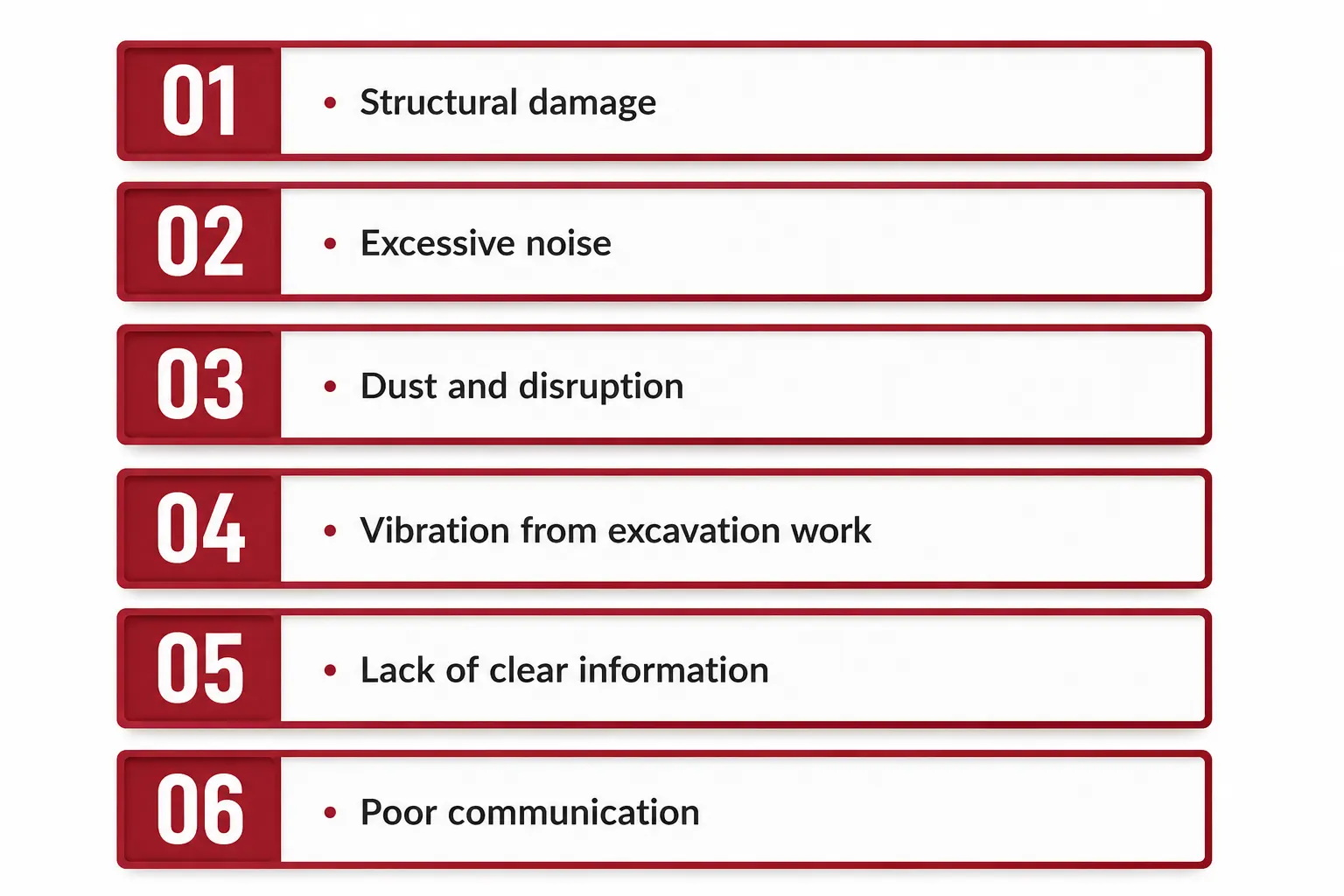
You can improve cooperation by:
Neighbours cannot automatically block lawful construction work simply because they dislike the project. As long as the correct legal procedures are followed, work can usually proceed through a Party Wall Award.
If your neighbour started work without serving a party wall notice, or before an Award has been agreed by surveyors, you still hold the legal rights.
The Party Wall etc. Act 1996 exists to protect adjoining owners from unsafe or disruptive construction work. If your neighbour ignored the legal process then you may be able to:
Try resolving the issue informally first because many homeowners are unaware that notices were required.
Keep detailed records including:
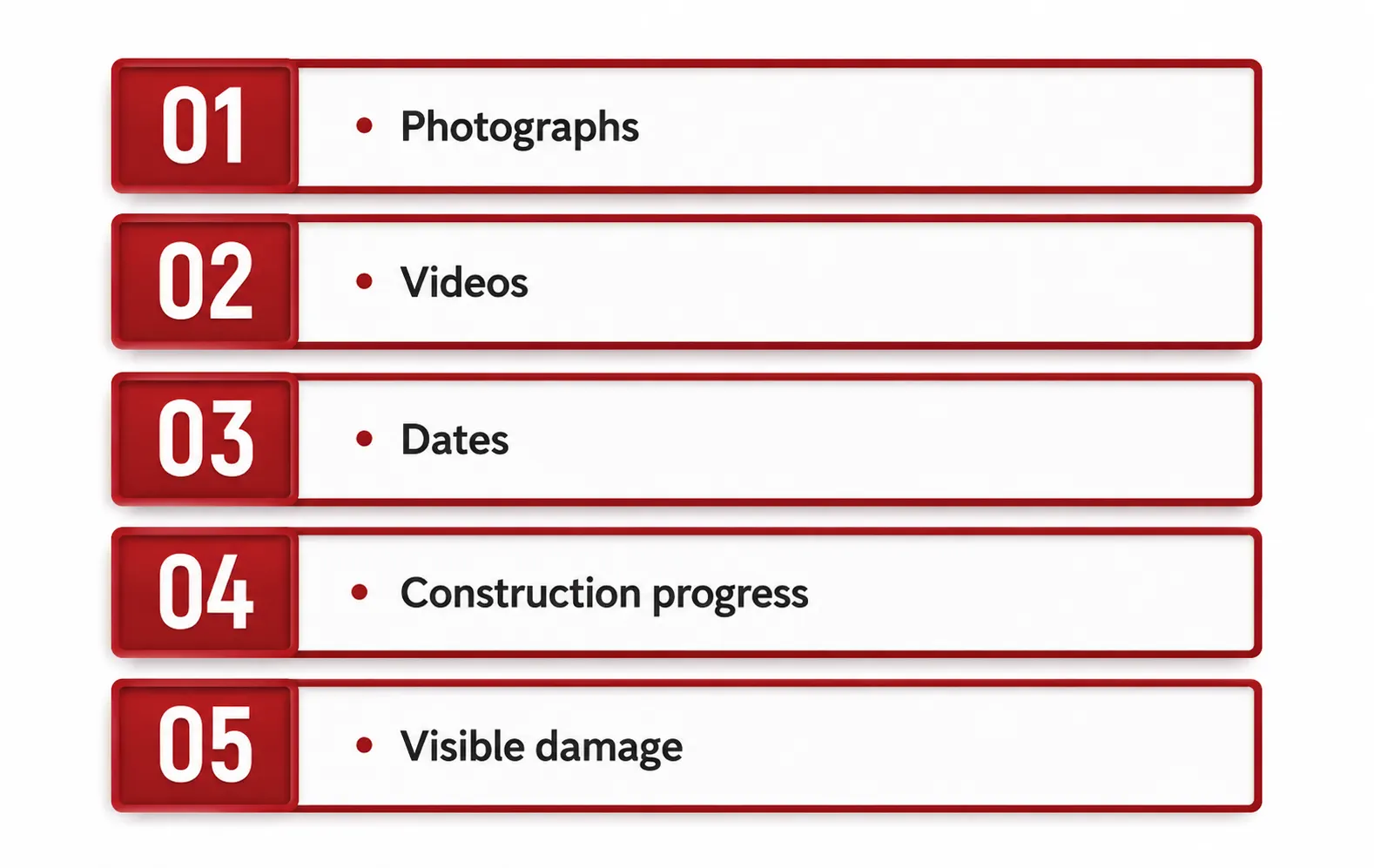
This evidence becomes important should disputes escalate.
Speak to a party wall surveyor or a solicitor if necessary because early advice can prevent the situation from getting worse.
Depending on the severity of the issue the legal remedies may include the following:
Understanding party wall Award cost expectations helps homeowners budget properly before starting work.
Costs vary depending on project complexity, location, and neighbour responses.
Costs are usually higher for:
Costs depend heavily on whether:
Separate surveyors can increase the costs substantially.
More engineering input and structural risk typically increase surveyor involvement.
Homeowners commonly pay for:
Yes. If revised plans require:
then professional fees may increase accordingly.
Many homeowners worry about not having written evidence of a party wall award (through consented notices) or a party wall Award in place when selling their house and how this could cause complications later.
Missing party wall documentation can create concerns during conveyancing.
Potential buyers may question:
Some mortgage lenders and solicitors may request evidence showing the work complied with the Party Wall Act. Missing documentation can delay or complicate property transactions.
Specialist legal advice is strongly recommended where documentation is incomplete. If possible, contacting any previously appointed surveyors involved in Party Wall matters is the best place to start.
Proper compliance reassures:
It also demonstrates responsible property ownership.
Beginning construction before notices expire or Awards are completed can lead to serious legal disputes.
Incorrect notices, missing information, or missed deadlines can invalidate the process.
Unrecorded verbal agreements provide little legal protection.
Party wall legislation is technical. Surveyor involvement is often essential for compliance.
Many homeowners incorrectly assume smaller projects do not require notices when they actually do.
Professional assistance is strongly recommended for:
Working with experienced specialists provides:
Seeking advice early is almost always cheaper than resolving disputes later.
A Party Wall Award can sometimes be changed after signing but any amendments must follow the correct legal process. Whether the issue involves revised construction plans, delayed timelines, or unexpected structural discoveries, it is essential that all changes are documented properly and approved in writing.
Clear communication with neighbours, professional surveyor guidance, and legally compliant paperwork are the best ways to avoid disputes and costly delays. Ignoring the Party Wall etc. Act 1996 or relying on informal agreements can expose homeowners to injunctions, compensation claims, and future property sale complications.
Before making changes to your project or starting work at all it is always wise to seek professional advice from an experienced party wall specialist.