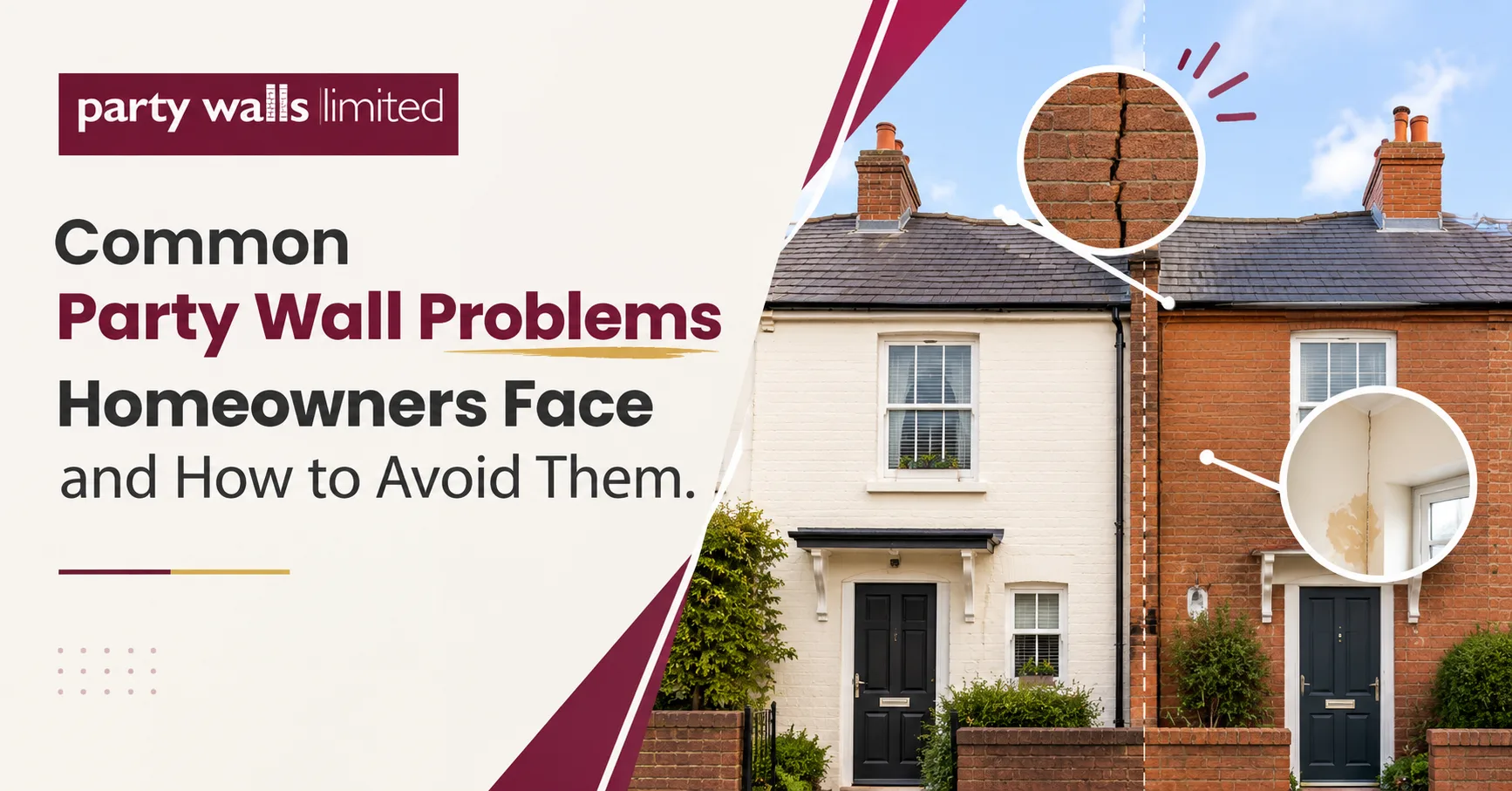
.png)
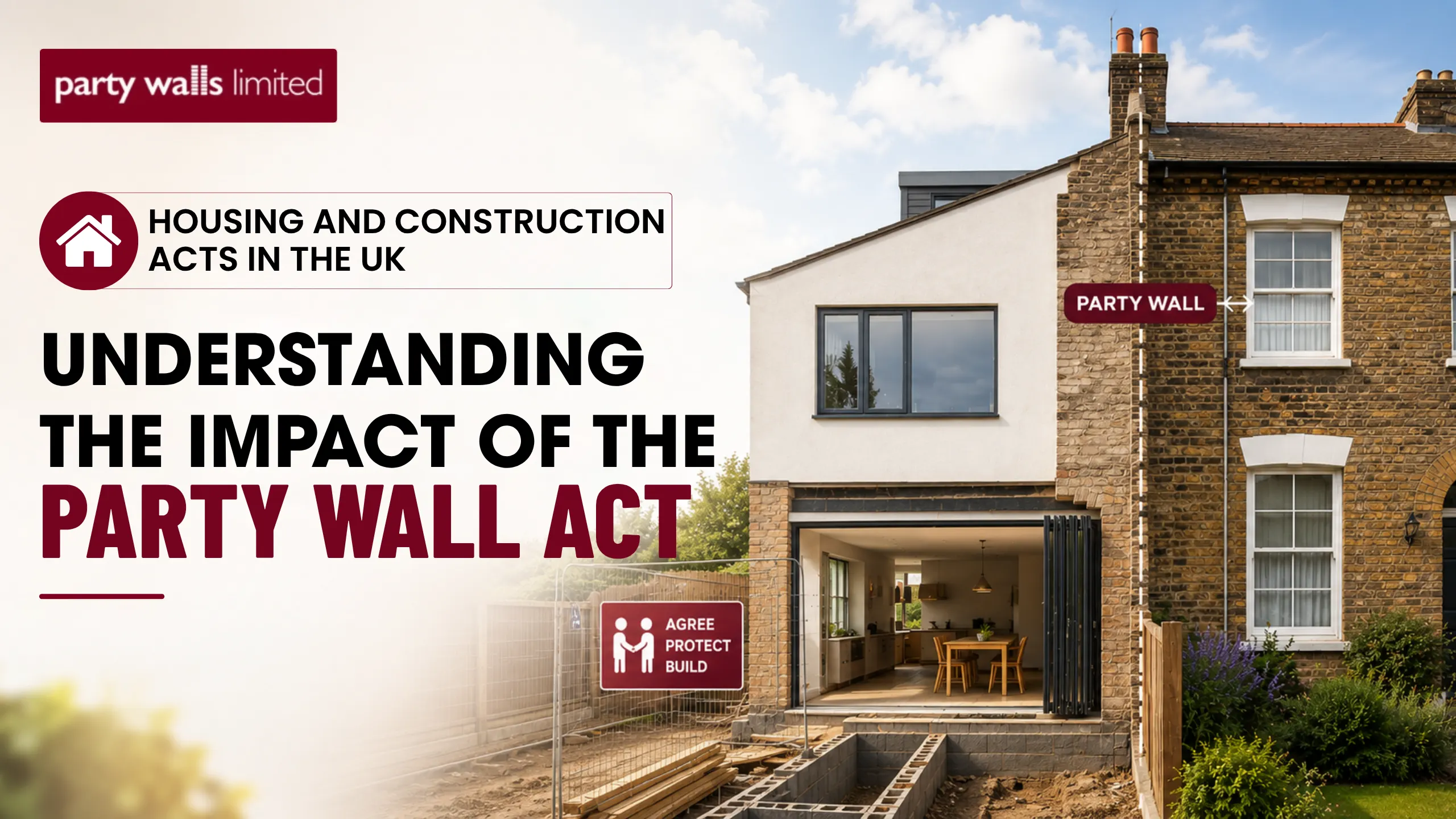
The UK construction industry is governed by several important pieces of legislation designed to protect property owners, neighbours, contractors, and the wider public. If you're planning a loft conversion, rear extension, basement excavation, or commercial refurbishment, then understanding the legal framework before work begins can save considerable time, expense, and unnecessary disputes.
Among the most important laws affecting residential building work are the Party Wall Act, the Housing Grants, Construction and Regeneration Act 1996 (commonly known as the Construction Act), and the Building Act 1984. While each serves a different purpose, they often apply to the same construction project.
One of the biggest misconceptions among homeowners is believing that planning permission or Building Regulations approval automatically satisfies party wall obligations. In reality, these are separate legal requirements, and failing to comply with the Party Wall etc. Act 1996 can result in delays, legal action, and neighbour disputes.
At Party Walls Limited, we help homeowners, developers, architects, and contractors understand their responsibilities and follow the correct legal procedures before construction begins.
The Party Wall etc. Act 1996 provides a legal framework for carrying out certain types of construction work that may affect neighbouring properties. Rather than preventing development, the legislation establishes a clear process that balances the rights of both the building owner and adjoining owners.
The Act applies throughout England and Wales and covers work involving shared structures, boundary walls, and certain excavations close to neighbouring buildings. Its primary purpose is to minimise disputes by requiring advance notice and, where necessary, an impartial surveyor to oversee the process.
Following the correct procedures protects everyone involved and reduces the likelihood of disagreements escalating into legal action.
A party wall is generally a wall shared by two adjoining properties. Examples include:
For example, if you're installing steel beams into the shared wall during a loft conversion or excavating close to your neighbour's foundations, the Act is likely to apply.

Building work can create vibration, movement, noise, and structural risks that affect neighbouring properties. The Party Wall Act ensures these risks are properly managed by establishing responsibilities before work begins.
The legislation helps:
Many common home improvements trigger the Act, including:
Ignoring the legislation does not remove your legal obligations. Your neighbour may seek:
Delays caused by failing to follow the correct process are often far more expensive than obtaining professional advice at the outset.
Before finalising your design, review whether the proposed works affect shared walls, boundary structures, or neighbouring foundations.
Consulting an experienced party wall surveyor early helps identify legal requirements before contractors are appointed.
If the Act applies, a formal notice must be served on affected adjoining owners.
The notice should include:
Different works require different notice periods, so timing is important.
After receiving the notice, neighbours can:
Where a dispute arises, either:
The surveyors work independently and must act impartially.
The party wall agreement is formally documented through a Party Wall Award.
It usually includes:
Once the Award has been served, construction can proceed in accordance with its conditions. Throughout the project, surveyors may monitor compliance and address any issues that arise.
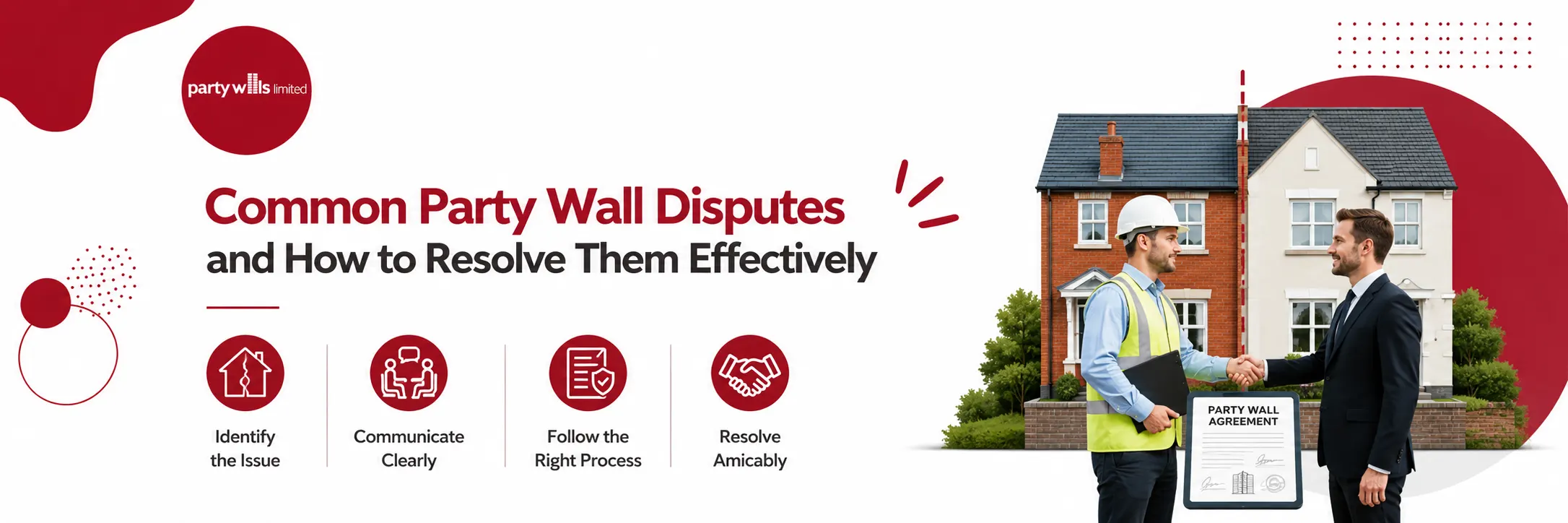
A party wall agreement refers to the legal arrangements made under the Party Wall etc. Act 1996. If adjoining owners consent to the proposed works, the process is straightforward. If they dissent, surveyors prepare a legally binding Party Wall Award setting out how the works should proceed.
A properly prepared agreement can help you:
Proceeding without the required agreement can result in:
Section 6 of the Party Wall Act deals specifically with excavation work carried out near neighbouring buildings. The law recognises that excavation can affect adjoining foundations and therefore requires formal notification in certain circumstances.
Section 6 commonly applies where excavation takes place:
Examples include:
Failure to comply may lead to:
The Housing Grants, Construction and Regeneration Act 1996, commonly known as the Construction Act, regulates many contractual aspects of construction projects. Unlike the Party Wall Act, it primarily governs relationships between contractors, subcontractors, and clients.
Key provisions include:

Although both Acts may apply to the same project, they address different legal issues.
The Building Act 1984 establishes the legal framework for Building Regulations in England and Wales. Its purpose is to ensure buildings meet standards for safety, structural integrity, accessibility, drainage, fire protection, and energy efficiency.
A common misunderstanding is that Building Control approval removes the need for party wall procedures. This is incorrect.
Building Regulations focus on construction standards, while the Party Wall Act governs neighbour rights and shared structures. Many projects require compliance with both.
Examples include:
The most common mistakes include:
Late notices can delay the entire project.
Beginning work prematurely may lead to legal action.
Where disputes arise, surveyor appointments are essential.
Keeping neighbours informed often reduces objections.
Planning permission and Building Regulations do not replace Party Wall Act obligations.
Planning ahead, maintaining written records, and seeking professional advice are the most effective ways to avoid problems.
Experienced surveyors provide valuable support by:
Professional guidance often prevents delays and helps projects remain on schedule and within budget.
Our surveyors focus exclusively on party wall matters and understand the practical challenges involved in residential and commercial construction projects.
We work with private homeowners, developers, architects, contractors, and property professionals across London and the surrounding areas.
We prepare legally compliant notices, manage responses, and guide clients through every stage of the process efficiently.
From initial advice to serving notices, preparing Awards, and resolving disputes, we provide practical support designed to minimise delays and reduce unnecessary costs.
If you're planning building work that may affect neighbouring properties, speak to Party Walls Limited before construction begins. Early professional advice can help you avoid costly mistakes and keep your project moving forward with confidence.
Understanding the UK's housing and construction legislation is essential before starting any structural building work. While the Party Wall Act, Construction Act, and 1984 Building Act each have different purposes, they often work together to ensure construction projects are carried out safely, legally, and with appropriate protection for everyone involved.
Following the correct party wall process, obtaining the necessary party wall agreement, and complying with Section 6 of the Party Wall Act where required can significantly reduce the risk of disputes, delays, and unexpected costs.
If you're planning a loft conversion, extension, basement excavation, or any project affecting neighbouring properties, obtaining expert guidance early is the best investment you can make. Contact Party Walls Limited to discuss your plans and ensure every stage of your project complies with the relevant legal requirements.